
Seal Gaps and Stop Air Leaks for a More Comfortable Home
Drywall repair can improve home insulation by sealing cracks, holes, and damaged areas that let air move in and out of your house. When drywall is broken or poorly sealed, outside air can slip through the walls. That makes your heating and cooling system work harder. By fixing these weak spots, you help keep warm air inside during winter and cool air inside during summer. The result is a more comfortable home and lower energy bills.
What You Need Before Starting
Before you start any drywall repair, gather the right tools and supplies. Having everything ready makes the job easier and cleaner.
- Joint compound
- Drywall tape
- Putty knife
- Sandpaper or sanding block
- Drywall patch (for larger holes)
- Utility knife
- Primer and paint
You should also check for signs of insulation problems behind the wall. If you feel a draft or notice cold spots, there may be missing insulation. In that case, drywall repair may also involve adding or replacing insulation before sealing the wall again.
Step-by-Step Process to Improve Insulation
Fixing drywall the right way helps block airflow and improve energy performance. Follow these basic steps:
- Inspect the damaged area. Look for cracks, holes, nail pops, or gaps near outlets and baseboards.
- Remove loose drywall. Cut away broken pieces with a utility knife.
- Check the insulation behind the wall. If it is thin or damaged, replace or add new insulation.
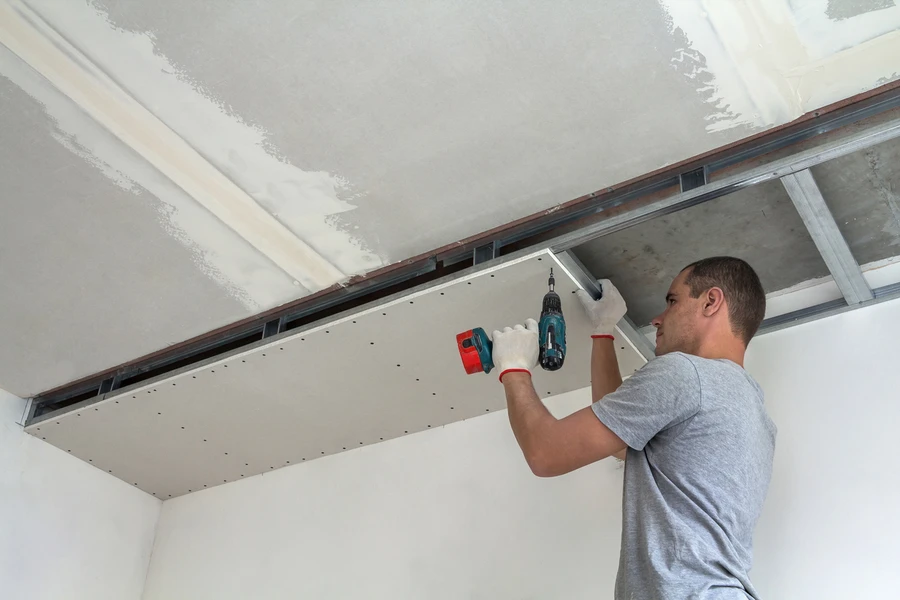
- Apply a drywall patch if the hole is large. Secure it firmly.
- Cover seams with drywall tape.
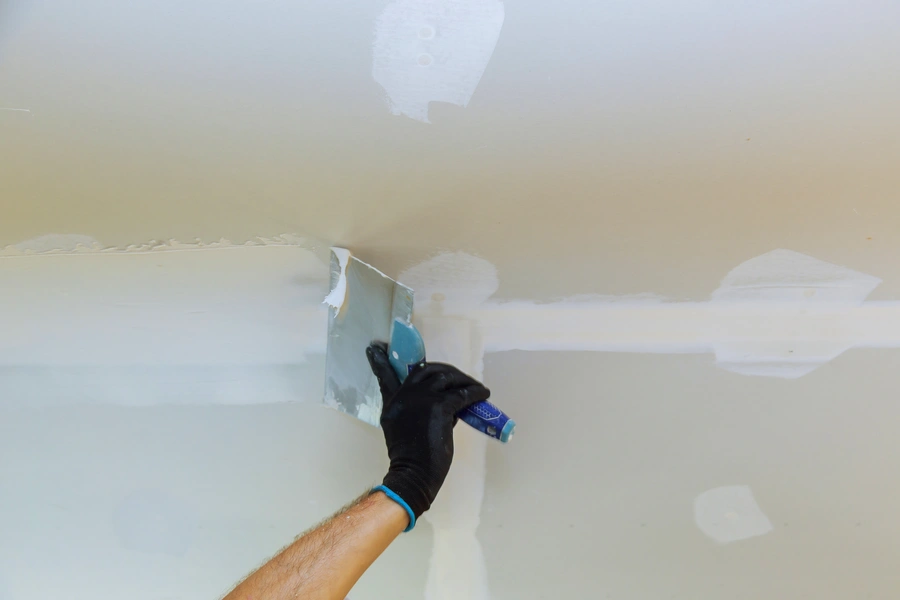
- Spread joint compound over the patch and tape. Smooth it out evenly.
- Let it dry, then sand it smooth.
- Apply a second coat if needed and sand again.
- Prime and paint to seal the surface.
This process does more than improve how the wall looks. It closes small openings that allow air leaks. Even tiny cracks can affect indoor temperature over time.
Common Mistakes to Avoid
Many homeowners focus only on surface damage. They patch the wall but forget to check what is behind it. That can leave insulation problems untouched.
Here are mistakes to watch out for:
- Skipping insulation checks before closing the wall
- Using too little joint compound
- Not sealing gaps around outlets or light switches
- Failing to sand between coats
- Leaving small cracks untreated
Another common issue is ignoring moisture damage. Wet drywall can lose its strength and reduce insulation value. If you see stains or soft spots, find the source of water before making repairs.
When to Call a Professional
Small cracks and nail holes are simple to fix. Larger problems may need expert help. If you notice wide gaps, sagging drywall, or mold growth, it may be part of a bigger insulation issue.
A professional can remove damaged sections safely and check the wall cavity. They can also spot hidden air leaks around windows, doors, and framing. In older homes, poor wall insulation is common. A trained team can upgrade insulation and complete drywall repair so the wall is sealed tight.
This type of repair can make a big difference in comfort. Rooms that once felt drafty may feel even and steady in temperature. Your heating and cooling system may not need to run as often. Over time, that can reduce wear on your HVAC unit.
Final Recommendation and Next Steps
If your home in Cincinnati, OH feels drafty or hard to heat and cool, damaged walls could be part of the problem. At Mr. H Fix It, we help homeowners find hidden air leaks and fix them the right way. Our team repairs drywall, checks insulation behind the walls, and seals gaps that waste energy. Call us at (513) 296-4616 to schedule a visit and take the first step toward a more comfortable home.